

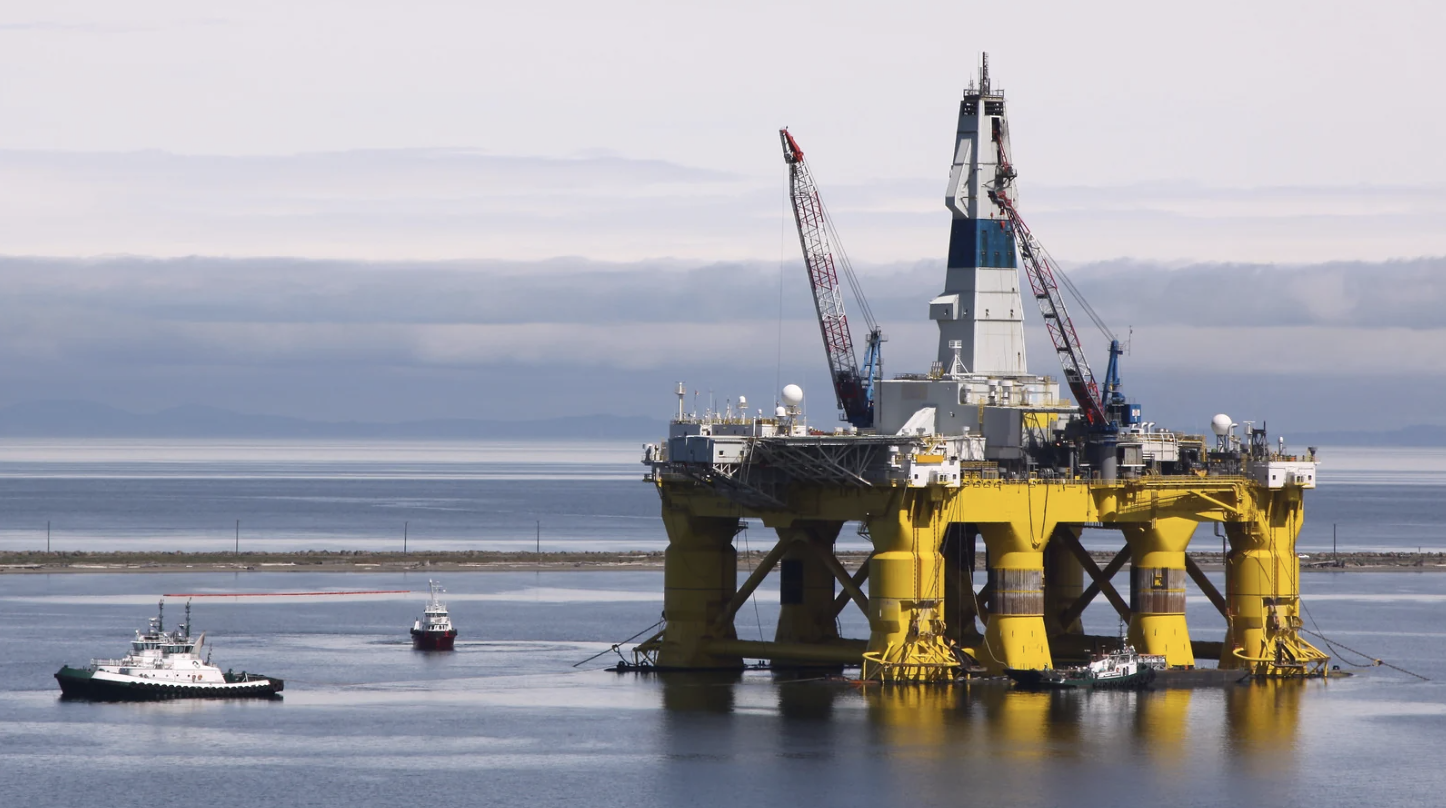
If you or a loved one has suffered an injury on the job in Louisiana, figuring out your legal rights can feel overwhelming. A worker injured at a warehouse off Highway 90 faces a completely different legal process than a worker hurt on a crew vessel in the Gulf of Mexico or a dock worker at the Port of New Orleans.
At Montiel Hodge, LLC, based in New Orleans, we frequently speak with hard-working individuals who aren't sure which law governs their injury—or whether they are receiving the full compensation they deserve.
Here is a breakdown of how Louisiana Workers' Compensation, The Jones Act, and The Longshore and Harbor Workers’ Compensation Act (LHWCA) differ, and how our team can guide you through the process.
1. Louisiana State Workers’ Compensation (Land-Based Injuries)
If you are employed in a traditional, land-based job—such as construction, manufacturing, hospitality, or commercial logistics—and sustain a workplace injury, your recovery generally falls under Louisiana State Workers' Compensation.
How it works: Louisiana workers' comp is a "no-fault" system. You do not need to prove your employer did anything wrong to receive benefits; you simply must prove the injury occurred within the course and scope of your employment.
What it covers: Medical treatment related to the injury and indemnity benefits (typically replacing roughly two-thirds of your average weekly wage up to state-mandated caps).
The trade-off: In exchange for quick, no-fault benefits, employees generally forfeit the right to sue their direct employer for pain, suffering, or full financial loss.
2. Offshore & Maritime Injuries: The Jones Act
Offshore work is among the most hazardous jobs in the country. Because workers on navigable waters face unique perils, federal maritime law steps in to offer protections beyond standard state workers' comp.
If you qualify as a "seaman"—meaning you spend a significant portion of your working time (typically 30% or more) serving a vessel or fleet of vessels in navigation—your injury usually falls under The Jones Act (46 U.S.C. § 30104).
Fault-Based Protection: Unlike state workers' comp, the Jones Act allows injured seamen to sue their employer if employer negligence played any role—even a small one—in causing the injury.
Maintenance & Cure: Regardless of who was at fault, Jones Act seamen are entitled to Maintenance (a daily stipend for basic living expenses) and Cure (full payment of necessary medical care) until they reach maximum medical improvement.
Full Damages: Under the Jones Act, injured maritime workers can pursue compensation for past and future lost wages, loss of earning capacity, medical expenses, and pain and suffering.
3. The Longshore & Harbor Workers’ Compensation Act (LHWCA)
What happens if you work on or near the water, but aren't assigned to a vessel as a seaman? Workers on docks, shipping terminals, shipyards, oil platforms fixed directly to the seabed, or harbor construction sites often fall under the Longshore and Harbor Workers’ Compensation Act (LHWCA).
Federal No-Fault Benefits: The LHWCA is a federal workers' compensation program that generally provides higher wage-loss compensation and broader medical coverage than standard state comp programs.
Outer Continental Shelf Lands Act (OCSLA): OCSLA extends LHWCA benefits to many workers injured while exploring or extracting natural resources on the Outer Continental Shelf (such as fixed platform workers).
Why Factual Details Matter (And How Montiel Hodge Helps)
Determining whether your claim falls under state workers' comp, the LHWCA, or the Jones Act isn't always straightforward. Employers and insurance adjusters often attempt to classify injured workers under state comp programs to minimize payout exposure—even when the worker qualifies for broader damages under federal maritime law.
At Montiel Hodge, LLC, our team takes a tactical, detail-oriented approach to workplace and offshore injury claims. We analyze every aspect of your case:
Your specific job duties and time spent on vessels vs. land
The classification of the vessel, platform, or workplace where the injury occurred
Third-party liability (such as equipment manufacturers, rig operators, or contractors)
Speak with Our New Orleans Legal Team
If you’ve been injured on the job—whether on a manufacturing floor, at a maritime port, or miles offshore in the Gulf—you don't have to navigate complex insurance systems alone.
Contact Montiel Hodge, LLC today to discuss your situation and get clear, straightforward guidance on your best path forward.