

Navigating Hurricane Season: Your Essential Guide to Louisiana Property Insurance Rights
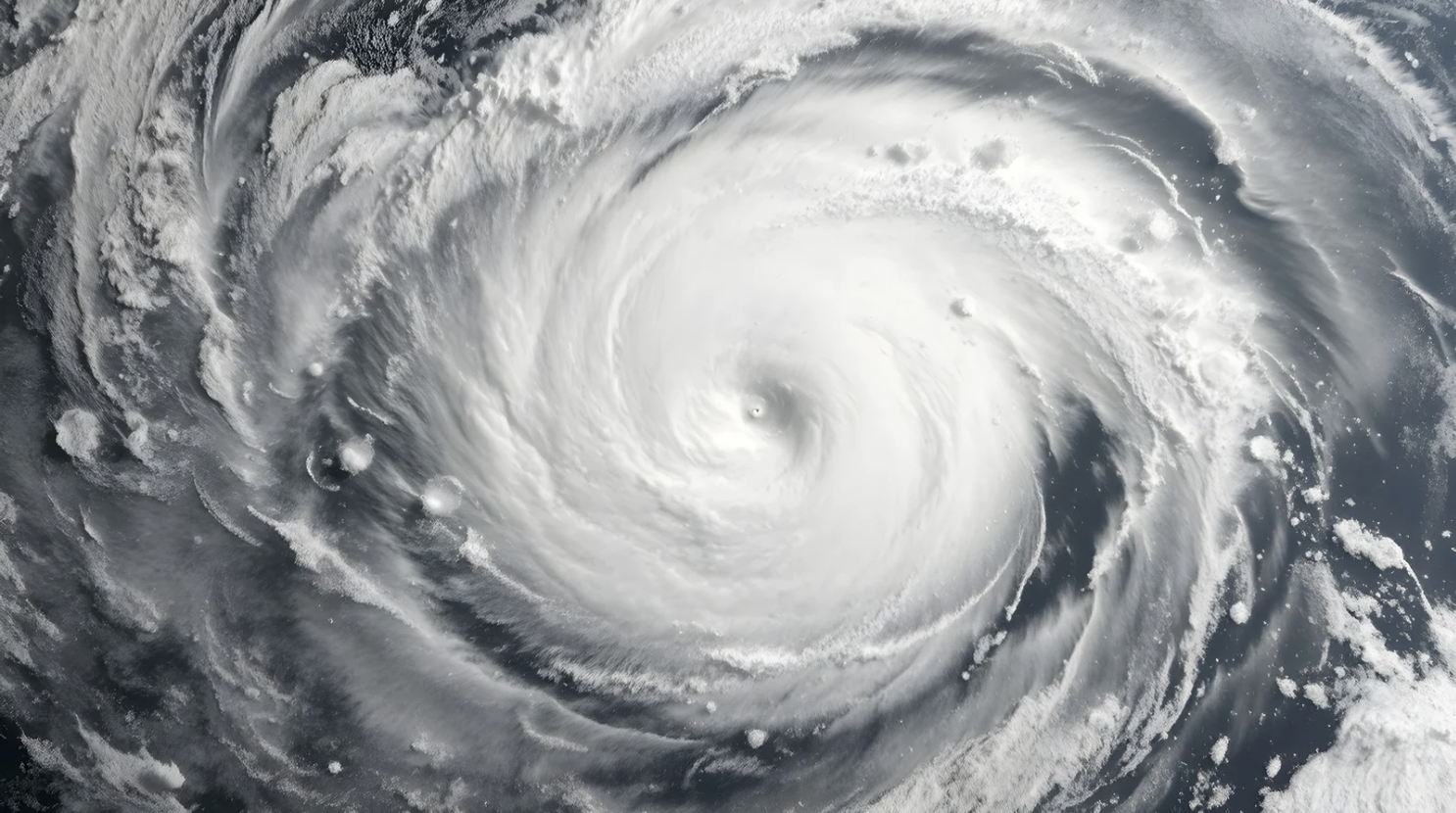
June marks the official start of another Atlantic hurricane season—a time of year that every Louisianian approaches with a mix of resilience and vigilance. Living in South Louisiana means understanding how quickly a major storm can disrupt our communities, homes, and businesses. While physical storm preparation—boarding up windows, stocking supplies, and planning evacuation routes—is always top of mind, safeguarding your financial and legal interests is just as vital.
Dealing with property insurance should be a straightforward process of recovery, yet many policyholders find themselves facing a second storm after the clouds clear: the battle to get their claims paid fully and fairly. At Montiel Hodge, we advocate daily for policyholders navigating complex property insurance disputes. Below, we outline your fundamental legal protections under Louisiana law and the concrete steps you must take if a hurricane damages your property.
Understanding Your Legal Protections in Louisiana
Louisiana law heavily regulates how insurance companies must handle claims, providing specific statutory timelines and protections to prevent insurers from acting in "bad faith” Knowing these rights is your primary shield against delayed, denied, or underpaid claims.
The Insurer's Timeline to Act
Following a catastrophic event like a hurricane, insurance companies are under strict legislative constraints to initiate claim adjustments.
Initiating the Claim: Under Louisiana law, insurers generally have 30 days from receiving notice of a claim to initiate loss adjustment procedures. In the wake of an officially declared disaster or state of emergency, the Governor or Insurance Commissioner may extend these administrative windows, but companies are still legally bound to act with due diligence.
Tendering Payment: Once an agreement on the scope of damage or an undisputed portion of the loss is reached, the insurer typically has 30 to 60 days (depending on the specific statutory trigger and policy type) to tender payment to the policyholder.
Louisiana Insurance Bad Faith Statutes
If an insurance company arbitrarily, capriciously, or without probable cause fails to pay a valid claim within the legally mandated timeframe, they may be found in "bad faith" under Louisiana Revised Statutes. If bad faith is proven, policyholders may be legally entitled to penalties over and above their actual property damages, plus reasonable attorney fees. These statutory penalties exist precisely to deter insurance companies from dragging their feet while Louisiana families and business owners try to rebuild.
Step-by-Step Guide: What to Do If You Suffer Property Damage
If a tropical system or hurricane impacts your property this season, the steps you take in the immediate aftermath will establish the foundation of your legal and financial recovery. Treat your claim methodically from day one.
Step 1: Prioritize Safety & Mitigate Further Damage
Only return to your property when local officials declare it safe. Once there, you have a contractual obligation under most policies to prevent further damage. Cover broken windows with tarps, patch roof breaches, and dry standing water if safe to do so. Keep all receipts for temporary mitigation materials, as these are reimbursable expenses.
Step 2: Document Everything Extensively
Before you move a single piece of debris or clean any silt, take exhaustive visual evidence. Capture comprehensive photographs and video footage of every room, structural element, exterior wall, roof slope, and damaged personal item. It is impossible to over-document. Write down a detailed inventory list of damaged items, noting their approximate age, purchase price, and replacement cost.
Step 3: Promptly File Your Claim in Writing
Notify your insurance company or agent as soon as possible. File your claim in writing to create an immutable paper trail. Request a full, certified copy of your insurance policy, including all declarations pages, forms, and endorsements, as policy language can change year-over-year.
Step 4: Maintain a Communication Log
Keep a dedicated log detailing every single conversation with your insurance company, adjusters, and contractors. Record the date, time, the name of the person you spoke with, and a detailed summary of what was discussed or promised. Confirm telephone agreements by sending a follow-up email to the adjuster.
When Is It Time to Involve a Property Damage Lawyer?
Not every property damage claim requires an attorney. If your insurance company acts promptly, evaluates your damage fairly, and cuts a check that covers the true cost of repairs, your claim has run its proper course. However, severe weather events frequently strain insurance resources, leading to bad business practices.
You should consult a qualified property damage attorney immediately if you experience any of the following warning signs.
The Total Denial: The insurer claims your policy does not cover the specific type of storm damage your property sustained (e.g., misclassifying wind-driven rain damage as excluded rising floodwaters.
The "Lowball" Estimate: The insurer acknowledges the damage but offers an estimate that represents only a small fraction of the actual quotes you are receiving from licensed, local contractors.
Unreasonable Delays: Weeks or months pass with zero communication, missed inspection appointments, or rotating adjusters who force you to start the process over again from scratch.
Pressure to Sign Quick Releases: The insurance company pushes you to sign a release or accept a settlement check that permanently waives your right to seek additional funds if hidden structural damage is discovered later.
Don't Navigate the Storm Aftermath Alone!
If you face pushback, delays, or unfair denials from your insurance provider this hurricane season, the litigation team at Montiel Hodge is here to fight for the coverage you paid for. Let us manage the legal complexities while you focus on rebuilding your life.
Contact Montiel Hodge today to evaluate your property insurance rights and protect your claim status.